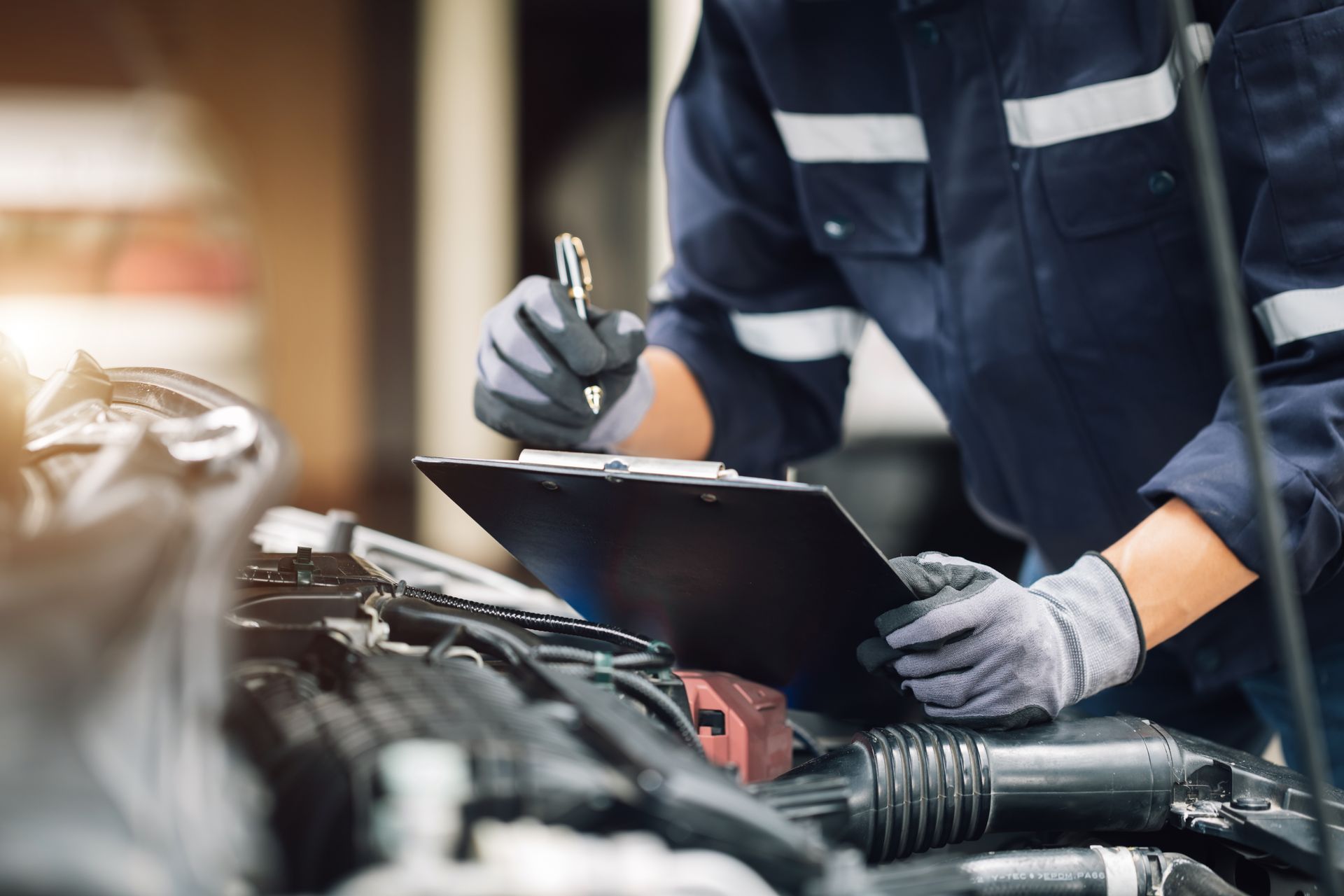
You hear a scrape from one wheel, or the pedal starts pulsing at highway exits. Maybe nothing feels wrong, and the tires are simply coming off for service. A brake inspection gives us a chance to look beyond the pad you can see through the wheel.
We check wear and operation together. Plenty of friction material doesn't help much if a caliper won't release, and a quiet brake still needs measuring before we say how much life is left.
Brake Pad Checks Include Both Sides of the Rotor
On a disc brake, we inspect the inner and outer pads and compare their thicknesses and wear patterns. One side sometimes wears much faster when a slide sticks or a pad binds in its bracket. That's easy to miss when only the outer pad is visible.
Why does that difference change the repair? New pads will wear unevenly again if the sticking part is left alone. Our technicians inspect the slides, boots, hardware, and pad fit to explain what caused the wear. Drum brakes, where fitted, need their own inspection of shoes, drums, adjusters, and wheel cylinders.
Rotor Measurements Go Beyond Surface Appearance
A rotor that looks shiny might still be too thin, deeply grooved on the hidden side, or affected by uneven thickness. We measure it and compare the results with the vehicle's service limits. Surface condition and signs of overheating also factor into the decision to reuse or replace. If you feel pulsation, tell us when it happens and where you feel it. For that complaint, we measure the rotors and check how they're mounted. Vibration during braking isn't enough on its own to decide which parts need replacing, especially if you also have steering or suspension movement.
Calipers and Brake Hoses Need to Release Properly
Pressing the pedal is only half the job. After you release it, the brakes have to stop dragging. Corroded slides, a sticking piston, tight pads, or trapped hydraulic pressure sometimes keep one wheel hotter than the others.
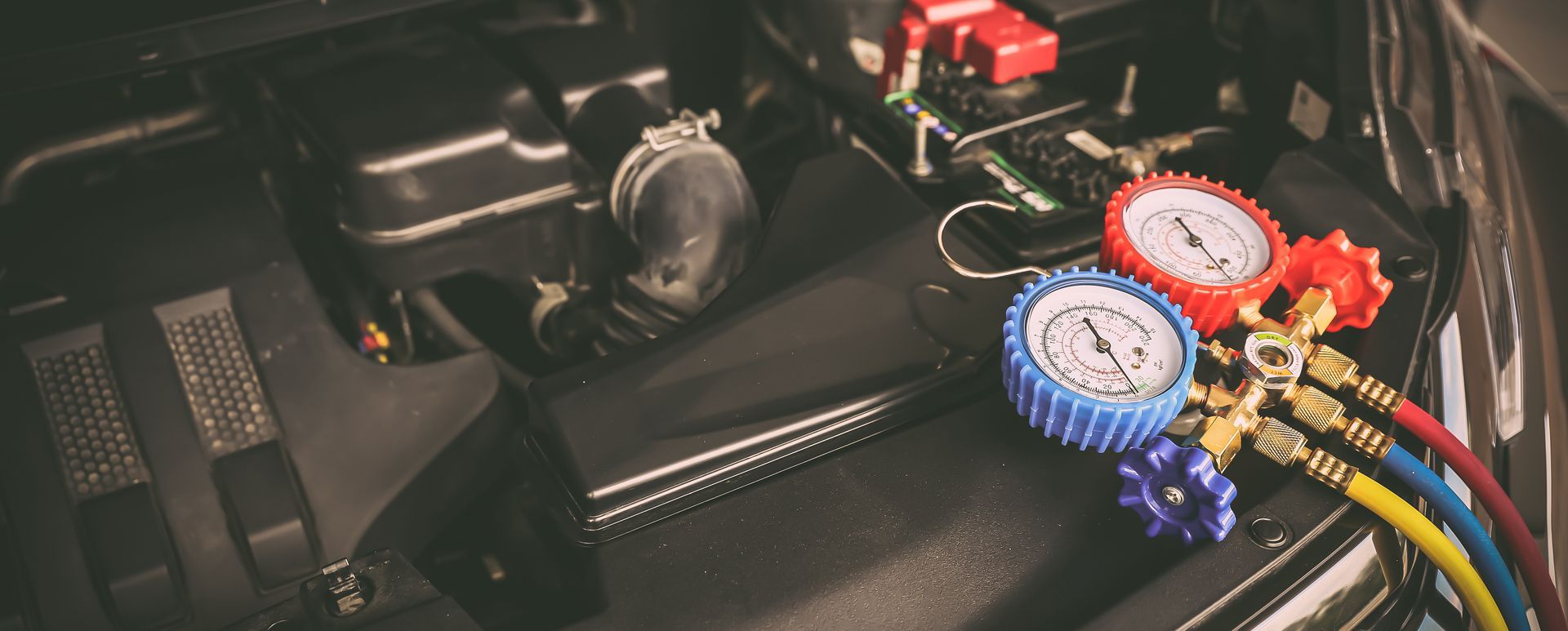
Does a hot smell always mean a seized caliper? Before making that call, we find out what's preventing release. A hose damaged internally sometimes holds pressure even when it looks fine outside. Opening fittings and testing hydraulic operation is shop work, not a driveway shortcut for finding the hot brake.
Brake Fluid and Pedal Checks Complete the Picture
We review the fluid level, condition, and replacement history, then check pedal feel and look for leaks. Old fluid follows its own service requirements. Replacing pads doesn't automatically include exchanging the fluid unless it's listed in the work.
Common findings during brake checks include:
- Pads worn unevenly or near their service limit
- Rotors with deep scoring or inadequate thickness
- Sticking slides or damaged protective boots
- Pads binding in corroded brackets
- Leaking or damaged hoses and lines
- Parking brakes that don't release fully
- Overdue fluid service or a changed pedal
Those findings don't all need the same repair or urgency. We explain what we measured and what each recommendation addresses, so the parts on the estimate match your car's brakes.
Parking Brake Checks Depend on the Design
Some cars use cables and levers, some have separate shoes inside the rear rotors, and others use electronic actuators. We check the mechanism fitted to the vehicle and follow its service procedure. Forcing an electronic caliper back without the required steps risks damaging it.
Did the dragging start after the parking brake was used overnight? Tell us about that sequence. A release switch moving normally in the cabin doesn't tell us the brake has released at both wheels. That takes us to the wheels to confirm release, especially if one rear wheel keeps running hot.
Brake Symptoms Help Us Choose the First Checks
Before the appointment, note when the noise starts, if the pedal has changed, and if the car pulls. A symptom that appears only after a longer drive might be gone once the brakes cool. Describing that pattern helps us check it under controlled conditions.
Heavy grinding, a soft or sinking pedal, smoke, or reduced braking means you should stop safely and arrange assistance. Don't keep driving to collect more examples. After repairs, we verify pedal feel, release, and braking operation, then explain any initial-use instructions for the parts fitted.
Brake Inspection at Tim's Automotive in Columbia, MO
Tim's Automotive in Columbia, MO, can inspect brake wear, noises, vibration, and pedal changes. Include recent brake work when describing the concern.
Bring the car's braking symptoms to an inspection so we can explain the work it actually needs.