Finding a repair shop is easy. Finding one you feel comfortable bringing your car back to year after year takes a little more attention.
A good shop should be able to diagnose problems properly, explain what it found, give you a clear estimate, and tell you when a repair can wait. You should not leave every visit wondering what was done or why you paid for it. From our side of the counter, trust usually comes from consistent work and straightforward communication rather than promises or advertising.
Look for a Shop That Diagnoses Before Replacing Parts
Modern cars can turn on the same warning light for many different reasons. A fault code gives us a place to start, but it does not automatically identify the failed part.
A reliable technician tests the system before recommending an expensive repair. That might mean checking wiring, pressure, voltage, fuel delivery, mechanical condition, or live scan data. If a shop immediately wants to replace a major component without explaining how it reached that conclusion, it's reasonable to ask a few more questions.
You Should Get a Clear Explanation of the Repair
You do not need to know how every part of your vehicle works. The shop should still be able to explain the problem in language that makes sense.
We like customers to understand what failed, what symptoms it is causing, and what happens if the repair is delayed. A good explanation does not need to be twenty minutes long. It should give you enough information to decide without feeling pressured or confused.
Estimates Should Tell You What You Are Paying For
Before work begins, you should have a reasonable idea of what the repair will cost and what that price includes. Parts, labor, diagnostic work, fluids, and related services should not suddenly appear as unexplained surprises at pickup.
Sometimes a technician finds additional damage after taking something apart. That happens in auto repair, especially on older vehicles with rust or previous repairs. The important part is communication. The shop should contact you, explain what changed, and get authorization before adding work that was not part of the original plan.
A Good Shop Will Tell You What Can Wait
Not every worn component needs to be replaced the same day. One of the easiest ways to judge a shop is by how it handles repairs that are not urgent.
During an inspection, we often find a mix of conditions. One problem could need attention now, another could be approaching service time, and a third might simply need to be watched at future visits. A reliable shop should help you prioritize instead of presenting every recommendation as an emergency.
Pay Attention to How the Shop Handles Small Problems
You learn a lot about a repair shop from the smaller jobs. An oil change, tire issue, battery problem, or
brake inspection gives you a chance to see how the staff communicates and whether they handle the work carefully.
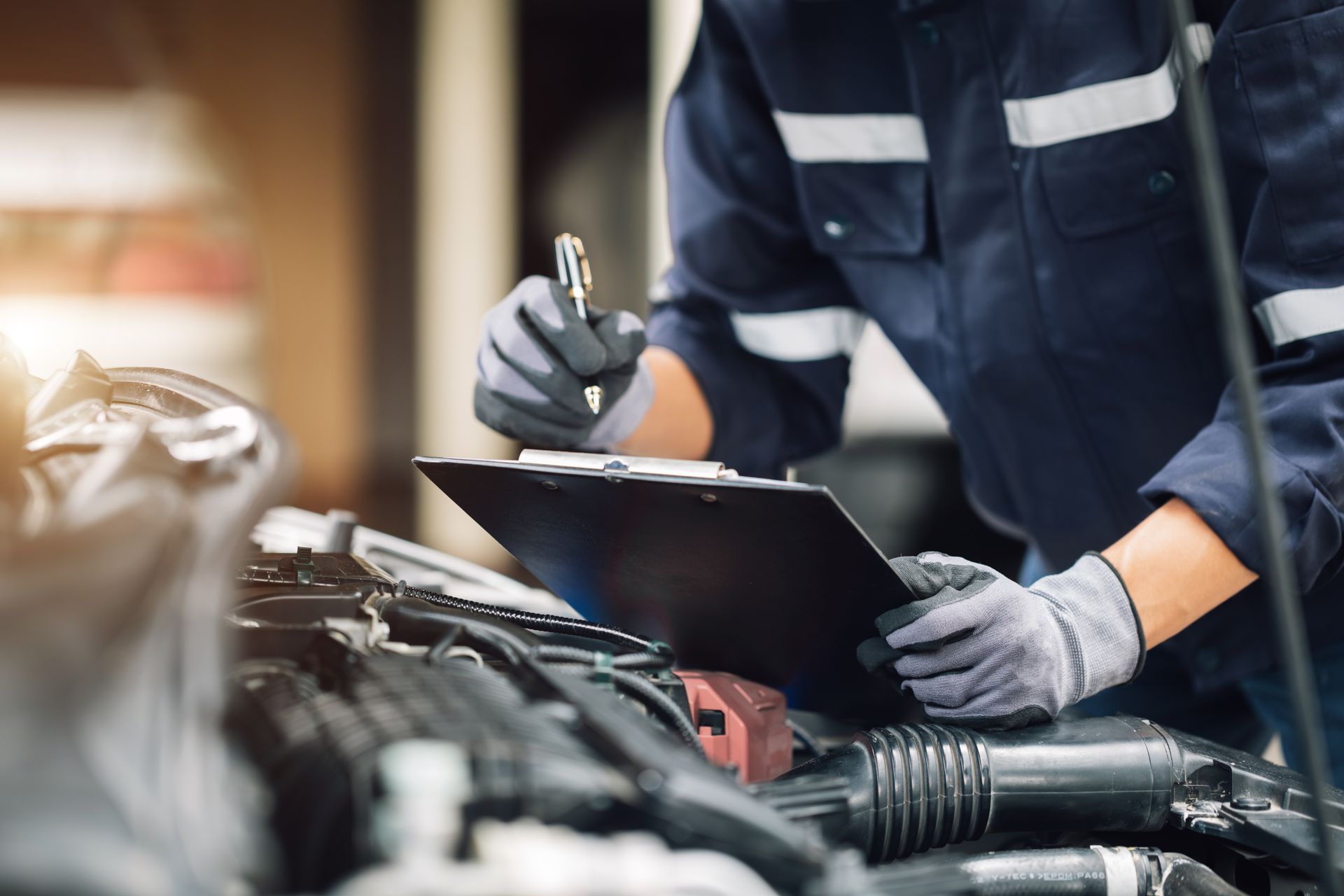
Did they explain anything unusual they found? Did the final bill match what you approved? Did the vehicle come back without new warning lights, missing fasteners, or another problem created during service? Those details tell you more about how the shop operates than a polished waiting room does.
Technicians Should Be Comfortable With Modern Diagnostics
Cars have become heavily computerized, but good repair work still requires mechanical knowledge. Reliable shops need both.
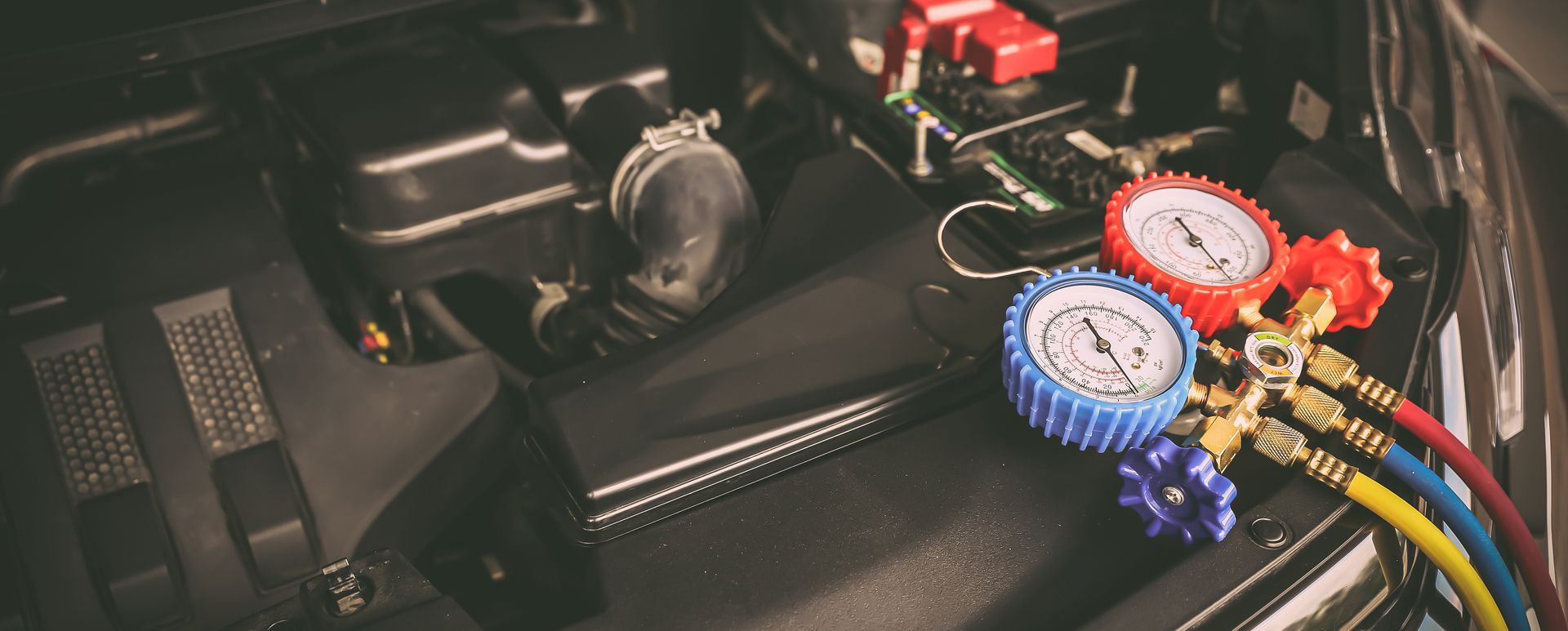
A technician should be comfortable using scan tools and electrical test equipment, but also understand engines, brakes, steering, suspension, cooling systems, and drivetrain components. Some problems cross several systems at once. A misfire, for example, can come from ignition, fuel delivery, wiring, or internal engine trouble. Good diagnostic work separates those possibilities instead of relying on parts swapping.
Consistency Matters More Than One Perfect Visit
A shop earns trust over time. You should be able to return for regular maintenance, brake work, warning lights, and larger repairs without getting a completely different level of service every visit.
Keeping your vehicle with one dependable shop can also make maintenance easier. We get to know what has already been repaired, which leaks have been monitored, when fluids were serviced, and how quickly wear items are changing. That history helps us make better recommendations because we are not starting from zero every time the car comes through the door.
Get Reliable Auto Repair In Columbia, MO, With Tim's Automotive
If you are looking for a local shop that can handle maintenance, diagnostics, and repairs while explaining what your vehicle actually needs,
Tim's Automotive in Columbia, MO, is ready to help.
Schedule your next service and build a relationship with a repair shop you can return to when the next maintenance item, warning light, or unexpected problem comes up.